The New York Journal · Executive Travel
Executive Travel in New York: A Practical Guide
Business districts, lobby pickups, realistic buffers between meetings, UNGA week and other closures, and exactly what an assistant should send with a request.
By Luxury Travel NYC Editorial··7 min read
In brief
- Allow realistic buffers: often 15–25 minutes between Midtown meetings and 30–45 minutes or more between Midtown and the Financial District at busy times.
- Most office towers require visitor registration and photo ID; register guests in advance and plan pickups at a specific entrance.
- UN General Assembly week in September brings closures around First Avenue and the East 40s; the city typically designates gridlock alert days.
- Assistants should send passenger names and mobiles, flight numbers, exact entrances, the full schedule, vehicle preference and billing details in one message.
New York is one of the most productive cities in the world in which to do business, and one of the least forgiving in which to be late. Meetings are stacked tightly, buildings are secured like embassies and the distance between two addresses can mean six minutes or forty depending on the hour. This guide is written for executives visiting the city and, just as much, for the executive assistants who make those visits work — a practical account of how ground transportation fits into a demanding New York schedule.
Understanding the business districts
Manhattan’s commercial life is concentrated in a few districts, each with its own geography and traffic patterns.
Midtown
The largest business district in the country stretches roughly from Grand Central Terminal to Central Park South. Park Avenue and the streets around it are the traditional heart of finance and law; Sixth Avenue is lined with media and banking towers; the area around Grand Central concentrates corporate headquarters. Cross-town movement is the slow part — a journey from Park Avenue to Eighth Avenue can take longer than one up the length of Park.
Hudson Yards and the Far West Side
The newest district, built over the rail yards west of Penn Station, is home to financial firms, technology companies and media groups. Its towers have well-designed drop-off areas, but access depends on Tenth and Eleventh Avenues and the approaches to the Lincoln Tunnel, which can be congested in the late afternoon. It is the most convenient district for Newark.
Lower Manhattan
The Financial District, the World Trade Center campus and Brookfield Place form the city’s second great business center. The streets south of Chambers Street are old, narrow and irregular, and some around the New York Stock Exchange and the World Trade Center have vehicle security restrictions. Allow time, and expect your chauffeur to suggest a pickup point on a nearby street.
Midtown South and the Flatiron District
Technology, advertising and creative firms cluster around Union Square, the Flatiron Building and Chelsea. Buildings here tend to be older and smaller, often with a single street entrance and limited curb access.
Building security and lobby pickups
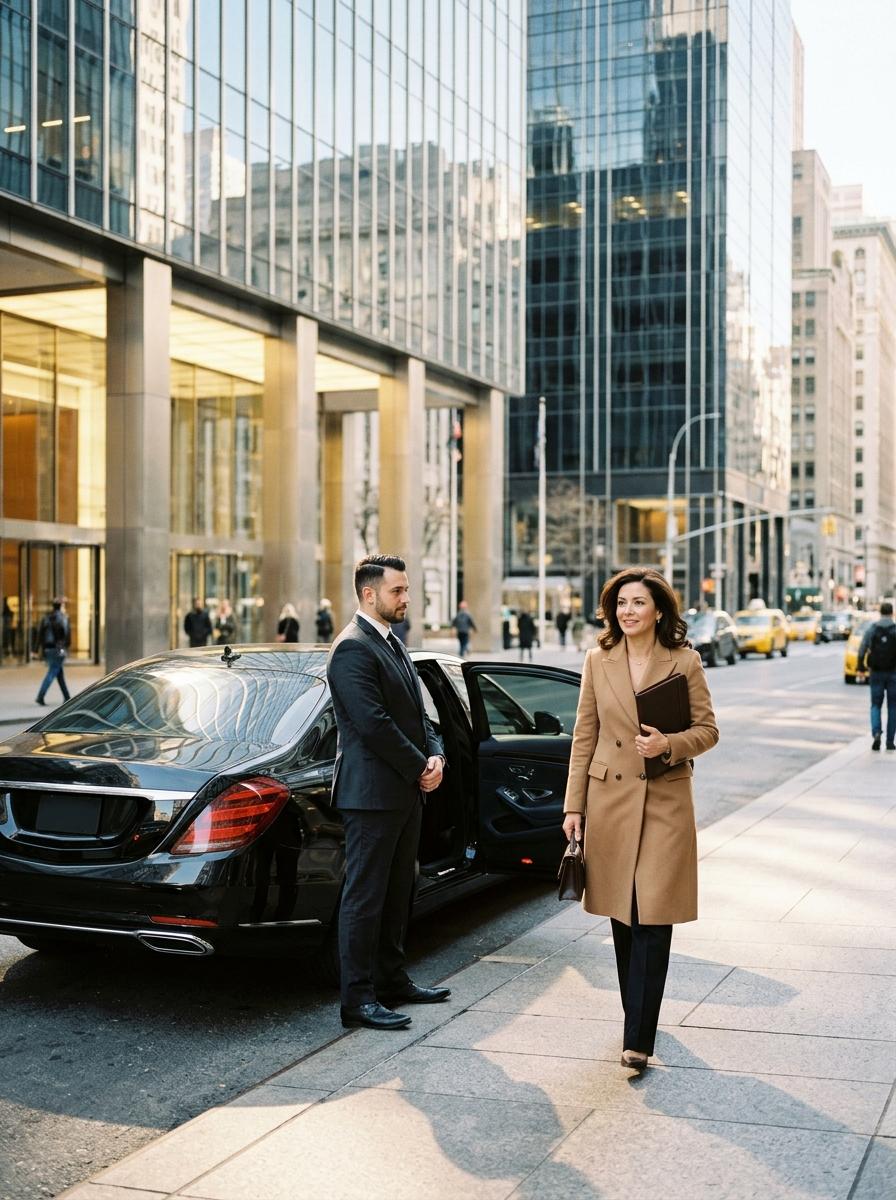
Almost every major office building in Manhattan requires visitors to be registered in advance by the host company, to show government-issued photo ID at the lobby desk and to pass through turnstiles. A delay at the security desk is one of the most common reasons for a late start to a meeting, and one of the easiest to avoid.
- Ask hosts to pre-register visitors, ideally with the visitor’s full name exactly as it appears on their ID.
- Note which entrance to use. Many towers have entrances on two or even three streets, and some have separate visitor lobbies.
- Plan the pickup at a specific door. Rather than “outside the building”, agree on “the 52nd Street entrance” — your chauffeur will know which side of the street and direction to approach from.
- Share the meeting’s expected end time, and send a short message when you are leaving the floor; elevators in large towers can take several minutes at busy times.
Planning a roadshow or multi-meeting day
Investor roadshows, client visits and site tours compress a great many meetings into one day. A dedicated hourly chauffeur is usually the right tool: the car waits through each meeting, holds bags and materials, and can adjust instantly when a meeting runs long.
| Between | Suggested buffer |
|---|---|
| Two Midtown addresses within a few blocks | Often 15–20 minutes |
| Midtown East and Midtown West | Often 20–30 minutes |
| Midtown and Hudson Yards | Often 20–30 minutes |
| Midtown and the Financial District | Often 30–45 minutes, more at peak |
| Manhattan and an airport | See our airport comparison |
- Sequence meetings geographically. Arrange the day so it moves steadily in one direction — for example, Lower Manhattan in the morning and Midtown in the afternoon — rather than doubling back.
- Protect the last meeting before a flight. Afternoon traffic to the airports builds from around three o’clock; give that transfer the most generous buffer of the day.
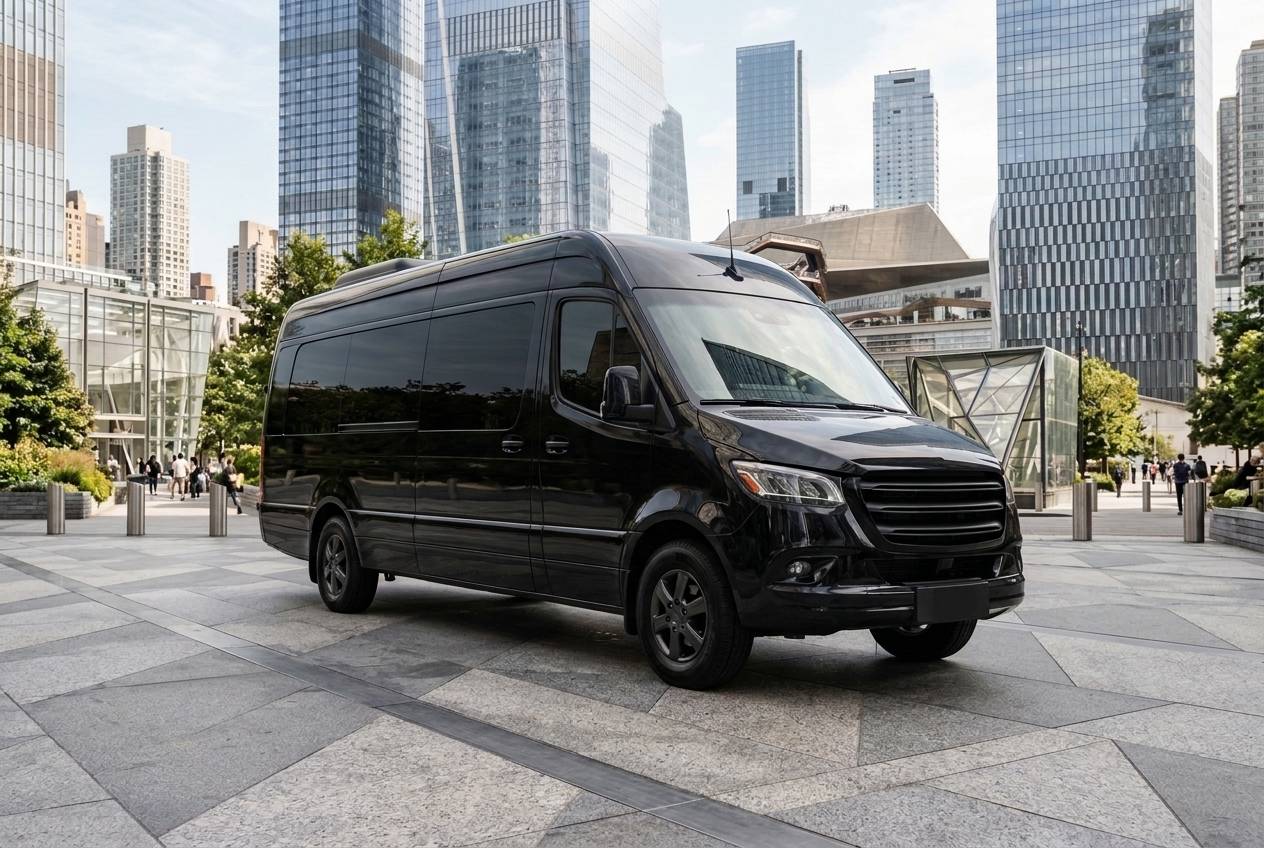
- For teams, consider one larger vehicle. An Executive Sprinter keeps a team together and allows a briefing between meetings. Several sedans offer more flexibility if the team splits.
- Leave room for lunch. A working lunch in the car is possible, but a twenty-minute pause often saves the afternoon.
UNGA week and other high-traffic events
A handful of events each year transform Manhattan’s traffic. Assistants who know them can plan around the worst of it.
- United Nations General Assembly (September). High-level week brings heads of state and their motorcades to the East Side. First Avenue is typically closed through the East 40s near UN Headquarters, side streets between First and Second Avenues close, the FDR Drive sees intermittent freezes for motorcades, and frozen zones can appear across Midtown East with little notice. The city typically designates several gridlock alert days. If you can, avoid scheduling East Side meetings that week, or allow very generous time.
- The New York City Marathon (first Sunday in November). Bridges and avenues along the route, including First Avenue and parts of Fifth, close for much of the day.
- Thanksgiving and the holiday season. The Macy’s parade closes Central Park West and Sixth Avenue on Thanksgiving morning; the Rockefeller Center tree lighting and holiday crowds slow Midtown through December, and Times Square closes to traffic on New Year’s Eve.
- Parades on Fifth Avenue, including the St. Patrick’s Day Parade in March, close the avenue and its cross streets for hours.
- The US Open (late August to early September) brings heavy traffic around Flushing Meadows in Queens, affecting routes to LaGuardia and JFK.
- Presidential and dignitary visits can bring short-notice closures at any time of year.
In each case, your chauffeur will monitor closures on the day, but the best defense is a realistic schedule set in advance.
The arrival day
Executives flying in for a day of meetings often ask whether to go straight from the airport to the first appointment. It can be done, but the arithmetic is unforgiving: an international arrival at JFK or Newark may take anywhere from twenty minutes to over an hour to clear, and the drive into Midtown adds 45 minutes or more at busy times. A first meeting scheduled less than two and a half to three hours after landing is a gamble.
- Stop at the hotel first if you can, even for twenty minutes, to drop luggage and change.
- If you must go direct, the chauffeur can hold your luggage in the car through the meeting on an hourly booking.
- Domestic arrivals at [LaGuardia](/airport-transfers-nyc/lga) are the most predictable option for a same-day Midtown meeting.
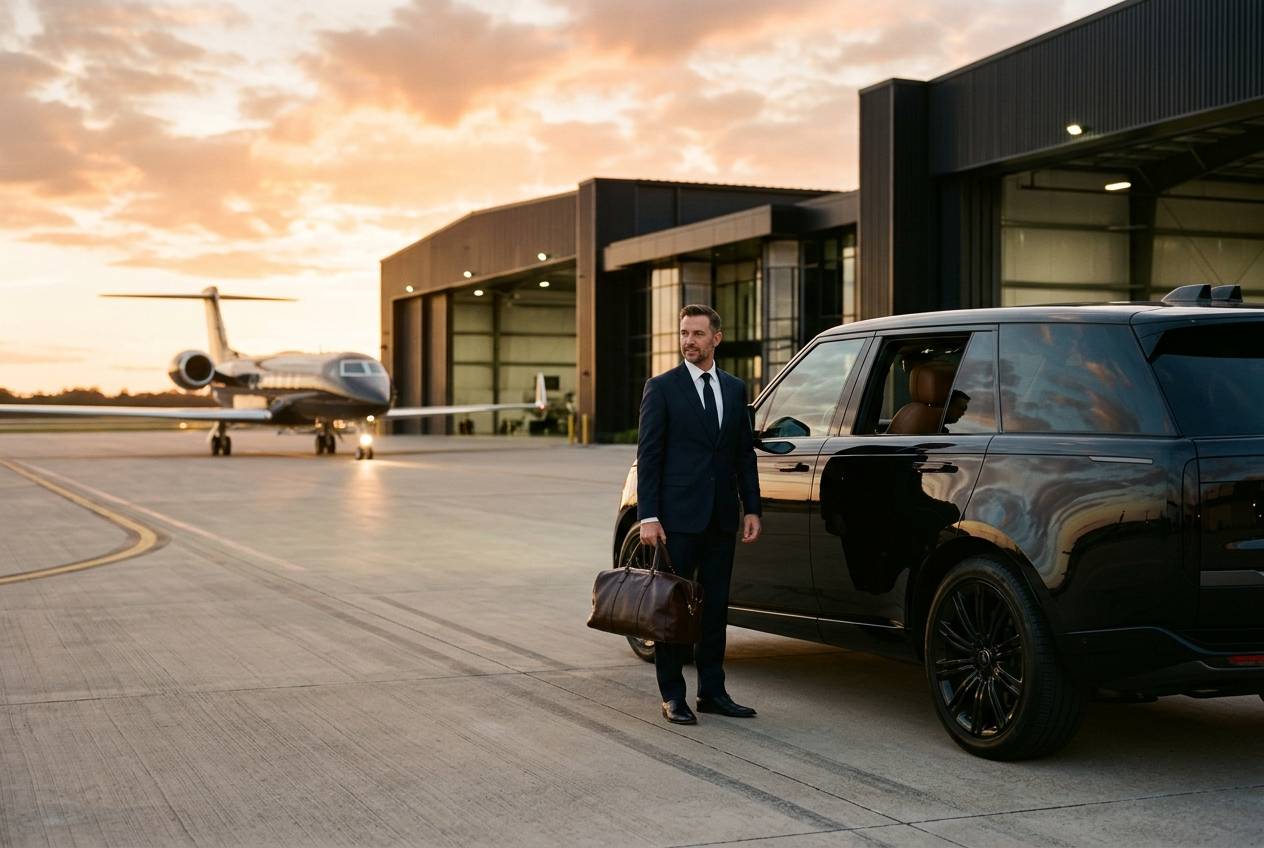
- Flying privately? Teterboro and Westchester avoid the commercial terminals entirely — see private aviation transfers.
On the departure side, the same logic applies in reverse. Schedule the final meeting so that the drive to the airport begins well before the late-afternoon rush, and keep a short call, rather than an in-person meeting, as the last item of the day.
What an assistant should send
The most efficient requests arrive in one message with everything needed to plan the day. Use this as a checklist when you request a quote:
- Passenger names, as they should appear on any name sign, and mobile numbers.
- Flight numbers and airline, for arrivals and departures.
- Each address with the specific entrance, plus host names if useful at the lobby.
- The full schedule with fixed times and any meetings that may run long.
- Number of passengers and luggage, and the preferred vehicle class.
- Any preferences — quiet cabin, a particular temperature, requested amenities.
- An on-the-day contact if plans change while the executive is in meetings.
- Billing details: the company name, billing contact, and any purchase order or cost-center reference.
Discretion and billing
Executives often hold confidential conversations in the car. A professional chauffeur understands that what is said in the cabin stays there, and that names, schedules and destinations are not discussed with anyone else. If your company has specific confidentiality requirements, include them in your request so they can be confirmed.
For companies arranging travel regularly, billing arrangements — invoicing, references and approval contacts — are agreed with the company directly and confirmed in writing. Our corporate travel page explains how ongoing arrangements work.
A well-planned day in New York feels unhurried even when it is full. Share the schedule early, build in honest buffers, and leave the routing to someone who drives these streets every day. When you are ready, request a quote and every element will be confirmed in writing.
FAQ
Questions, Answered
How much time should I allow between meetings in Manhattan?
What happens during UN General Assembly week?
Can the chauffeur wait during meetings?
Can you invoice our company?
What should an executive assistant include in a request?
Related
Further Reading & Services
Service
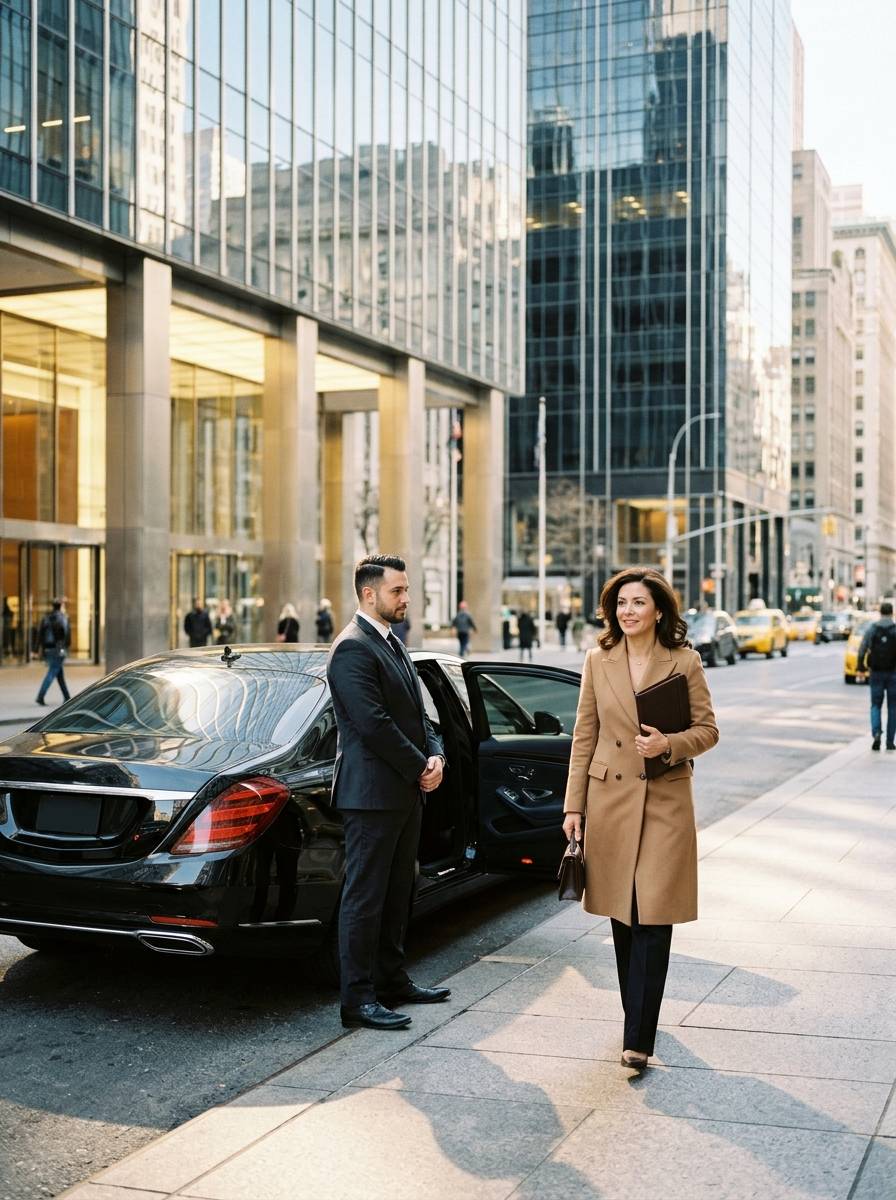
Executive & Corporate Travel
Executive transportation and corporate chauffeur service in Manhattan for roadshows, board meetings and visiting guests, with discreet service. Request a quote.
Service
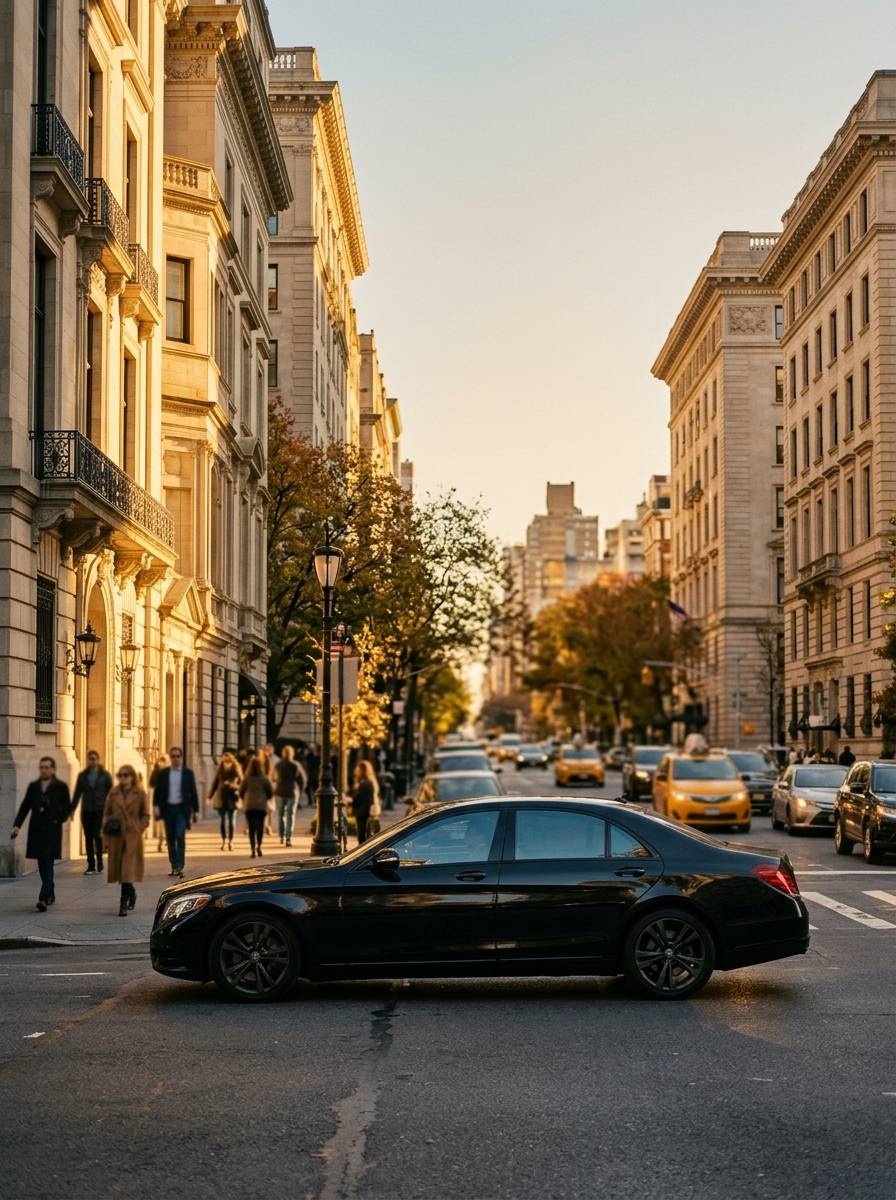
Chauffeur by the Hour
Hourly, as-directed chauffeur service in New York — one car and chauffeur for shopping, meetings, museums and dinners, waiting between stops. Request a quote.
Fleet
Executive Sprinter
Comfortable group transportation and coordinated itineraries.
Service
Airport Transfers
Private chauffeured airport transfers in New York for JFK, LaGuardia, Newark and Westchester. Planned around your flight details. Request a quote today.
Begin
Where Will New York Take You?
Tell us what you have in mind. We’ll help you arrange the journey.